

I want to focus on some words you might be hearing today.
35 words that have become an integral part of this weekend of celebration, remembrance, and rededication to the movement that helped reduce (not end, but reduce) apartheid in America.
35 words that have become the defensive shield for far too many White people in this country when we discuss race in America:
“I have a dream that my four little children will one day live in a nation where they will not be judged by the color of their skin but by the content of their character.”
You know, for far too many of my melanin-lacking compatriots, those are the only words they know from the Rev. Dr. King, and when they repeat them, it’s with the smug satisfaction that only comes when you believe there’s nothing more that needs to be said.
“I don’t have to talk to you about Race, I’ve said those 35 words, or a combination thereof, leave me alone.”
Because as far as they’re concerned, the sermon on that day consisted of ONLY those 35 words, and they believe in saying those 35 words, they have fulfilled their obligation to the “Beloved Community”
All you asked for is to be judged by the content of your character. I do that, why do you continue to ask for things?”
What these White folks neglect, ignore, or refuse to acknowledge, is those 35 words, which we really only hear on January 15, the third Monday in January, and whenever racists are caught being racist, were part of a 1667 WORD SERMON DELIVERED ON THAT DAY IN 1963.
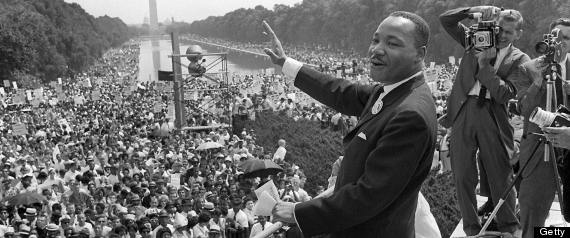
Why only those words? Because it’s much easier to focus on 35 words than to listen, really listen, to the other 1632 words that were part of his sermon that day.
Those 1632 words are as searing today as they were back then. Words that even after almost 60 years since they were originally spoken, are still an indictment about the treatment of Blacks, and all people of color in this country, then and now:
“But one hundred years later, the Negro still is not free. One hundred years later, the life of the Negro is still sadly crippled by the manacles of segregation and the chains of discrimination. One hundred years later, the Negro lives on a lonely island of poverty in the midst of a vast ocean of material prosperity. One hundred years later, the Negro is still languished in the corners of American society and finds himself an exile in his own land. And so we’ve come here today to dramatize a shameful condition.”
While I concede there has been advancements since 1963, those 92 words are a little harder to celebrate, because we know many of the conditions Dr. King spoke of back then, are still very prevalent right now—the only things that have changed are the words we use for them.
I suspect the members of Congress still trying to curry favor with the defeated former game show host will blithely skip past these 44 words that focused on a country that had failed to fulfill its promise:
“It is obvious today that America has defaulted on this promissory note, insofar as her citizens of color are concerned. Instead of honoring this sacred obligation, America has given the Negro people a bad check, a check which has come back marked ‘insufficient funds.’”
Because it is far easier to satisfy your racist base by using just 35 specific words, (especially since they have stopped caring about the character of certain people—such as the defeated former game show host) then try to explain why that even though we have done so much, we have not come close to reaching the goal set out on that day in 1963.
For those who say: “But I voted for Obama, don’t lump me with ‘those’ people,” here are 164 words to remind you that it takes a little more than voting for a competent candidate that happened to be Biracial to accomplish true equity. A reminder that again, while some things have changed, we have seen far too many of you stay silent while people who look like you gleefully march in lockstep (goose-step??) back to “separate, and unequal.”
“There are those who are asking the devotees of civil rights, “When will you be satisfied?” We can never be satisfied as long as the Negro is the victim of the unspeakable horrors of police brutality. We can never be satisfied as long as our bodies, heavy with the fatigue of travel, cannot gain lodging in the motels of the highways and the hotels of the cities. We cannot be satisfied as long as the Negro’s basic mobility is from a smaller ghetto to a larger one. We can never be satisfied as long as our children are stripped of their self-hood and robbed of their dignity by signs stating: “For Whites Only.” We cannot be satisfied as long as a Negro in Mississippi cannot vote, and a Negro in New York believes he has nothing for which to vote. No, no, we are not satisfied, and we will not be satisfied until “justice rolls down like waters, and righteousness like a mighty stream.”
Another 112 words are a warning that still holds true:
“It would be fatal for the nation to overlook the urgency of the moment. This sweltering summer of the Negro’s legitimate discontent will not pass until there is an invigorating autumn of freedom and equality. Nineteen sixty-three is not an end, but a beginning. And those who hope that the Negro needed to blow off steam and will now be content will have a rude awakening if the nation returns to business as usual. And there will be neither rest nor tranquility in America until the Negro is granted his citizenship rights. The whirlwinds of revolt will continue to shake the foundations of our nation until the bright day of justice emerges.”
You see, it’s easy for both sides of the White political spectrum to focus on just 35 words, because for real he came after you with this sermon.
(And while not part of the sermon that warm August day in 1963, Dr. King made his feelings on those who stood on the sideline clear: “The white liberal must see that the Negro needs not only love but also justice. It is not enough to say, “We love Negroes, we have many Negro friends.” They must demand justice for Negroes. Love that does not satisfy justice is no love at all.”)
The 35 words are “happy talk.”
Those who see only those 35 words out of the 1667 spoken that day fail to understand (or again, choose to ignore) the work that he said had to happen to reach the goals encapsulated in that simple sentence.
Those 35 words were aspirational—and it angers and disappoints me to my soul that so many have decided that mouthing these words on this day means we have accomplished what he was speaking about.
Because you know what happened 18 DAYS after his sermon in Washington D.C.?
On September 15, 1963, 4 White men—whose relatives I would put money on were part of the 74 million who voted for the former game show host—blew up a church and killed 4 Black girls.
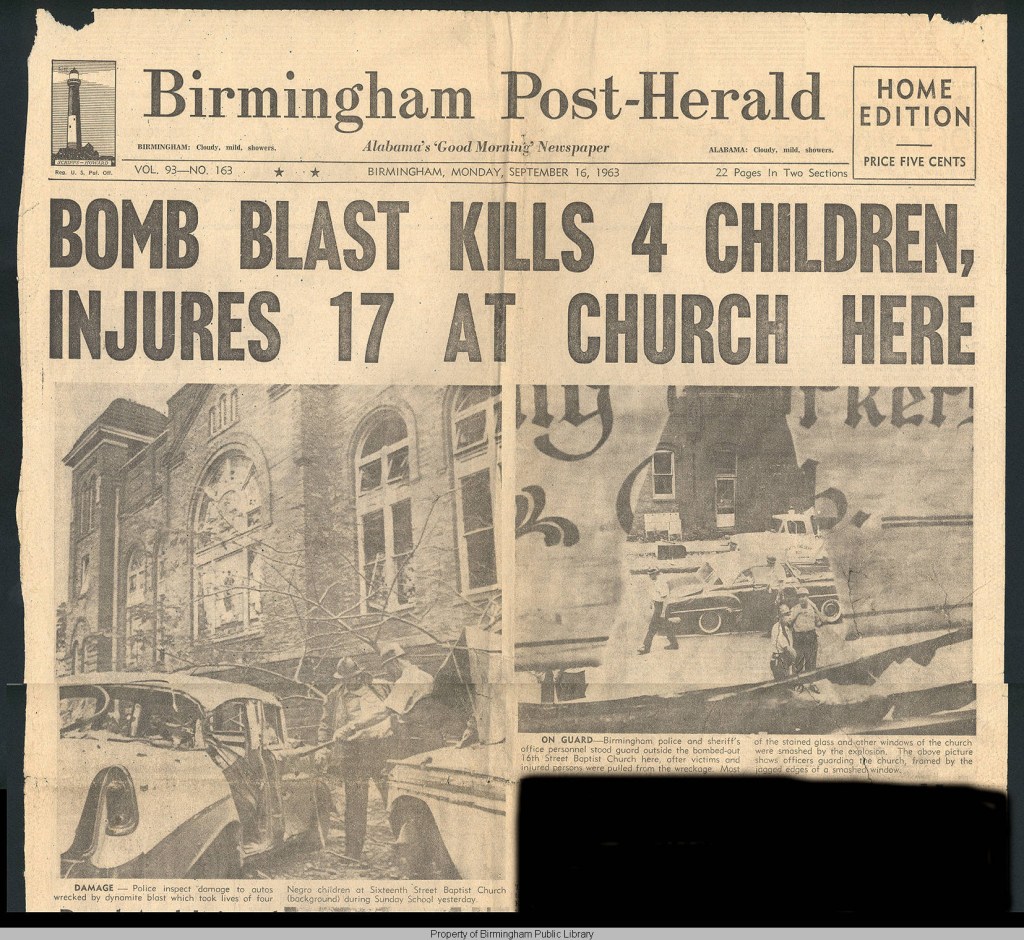
Those terrorists cared not about content or character, they cared only about the color of the skin of Addie Mae Collins, Carole Robertson, Cynthia Wesley, and Denise McNair.
Remember that before you focus on those 35 words today.
And for those—and you know who you are—that enjoy parroting “that’s ancient history, that’s all in the past,” I have a name for you:
Maxine McNair.
She was the mother of 11-year-old Denise McNair, the youngest girl killed in the racist bombing of Birmingham’s 16th Street Baptist Church.
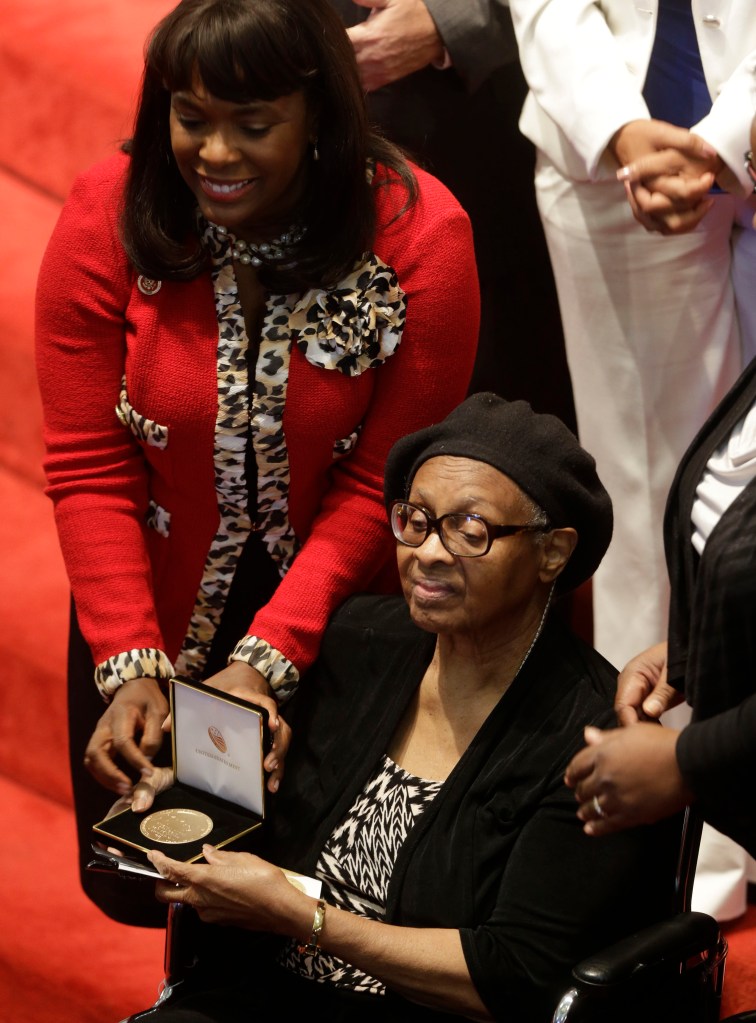
Maxine McNair’s died on January 2, 2022. You can’t get more recent than that.
This is only ancient history if you choose to see it that way.
And if you do—shame on you.
Until next time…
 Thoughts From A Short Round Black Man
2 thoughts on “35 words”